
The biggest myth about spring mice
Most people in Worcester County believe mice disappear once winter ends.
That is not true.
When temperatures rise in places like Worcester, Leominster, Fitchburg, Shrewsbury, Milford, Auburn, and Southborough, mice become more active. They do not leave homes and buildings. They stay hidden inside walls, basements, attics, garages, and crawl spaces where food and shelter are easy to find.
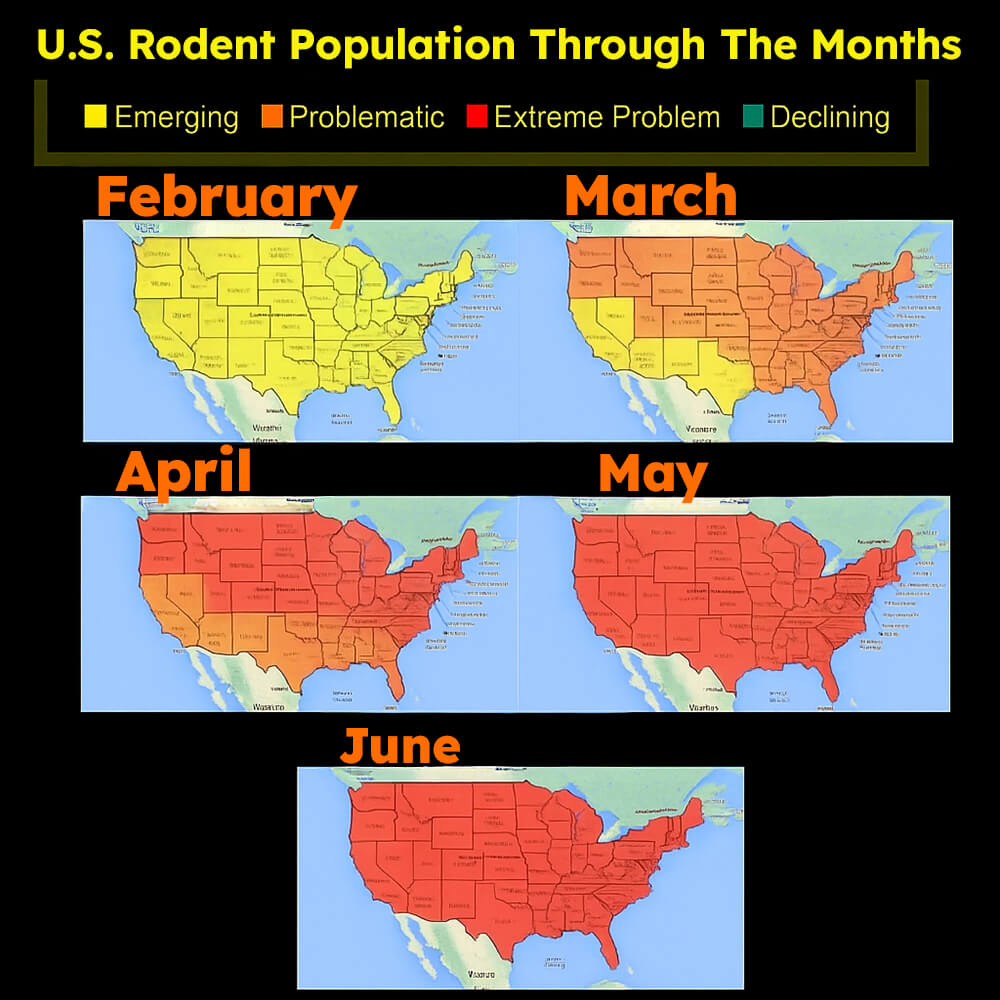
Spring is actually the beginning of the rodent breeding season.
That is why many homeowners suddenly notice scratching sounds, droppings, chewed wires, and strange smells during April, May, and June.
If left untreated, one small mouse issue can become a major infestation before summer.
That is why many homeowners trust Pest Services MA as the leading rodent control company in Worcester County. Their local experience, fast response times, and customized treatment plans help homeowners stop mice before the problem spreads.
Why spring mice problems get worse
Mice start breeding rapidly
The main reason spring becomes dangerous is reproduction.

According to rodent control studies from universities and pest management associations, a single female mouse can produce between five and ten litters every year. Each litter may contain up to twelve baby mice.
That means a few mice inside a home in February can become dozens by late spring.
Warm temperatures speed up breeding activity. More food sources also become available during spring. Trash bins, bird feeders, pet food, gardens, and outdoor dining areas all attract rodents.
Homes in Worcester County become ideal nesting areas because spring rain and unstable temperatures still push mice indoors at night.
Why Worcester County homes attract mice
Older homes have easy entry points
Many homes across Worcester County were built decades ago. Older foundations, aging siding, basement gaps, and roof openings create perfect entry points for mice.
Mice only need an opening the size of a dime.
Common entry areas include:
- Dryer vents
- Garage doors
- Foundation cracks
- Utility pipe gaps
- Basement windows
- Roofline openings
- Damaged weather stripping
Homeowners in towns like Holden, Westborough, Grafton, Clinton, and Northborough often discover mice entering through hidden structural gaps.
Spring rain pushes rodents indoors
Heavy spring rain is another major issue in Massachusetts.
Wet ground floods mouse burrows outdoors. Once that happens, mice search for dry shelter inside homes and commercial buildings.
This is especially common near wooded neighborhoods and properties close to streams, ponds, or conservation areas.
Spring mice are dangerous
Mice contaminate food and surfaces
Many people think mice are mostly harmless.
They are not.

Rodents can spread bacteria and contaminate surfaces through urine and droppings. They can damage insulation, ruin stored food, and trigger allergies and asthma.
The CDC and pest management researchers continue warning homeowners about rodent-related contamination risks in kitchens, pantries, and storage areas.
Mice cause electrical fires
One of the biggest hidden dangers is electrical damage.
Mice constantly chew because their teeth never stop growing. They often chew wiring inside walls and ceilings.
This increases the risk of:
- Short circuits
- Appliance damage
- Internet outages
- Electrical fires
Homeowners in Worcester County frequently discover rodent damage only after major repairs become necessary.
Why spring rodent control matters
Early treatment prevents summer infestations
The best time to stop mice is early spring.
Once breeding accelerates, infestations become harder and more expensive to control.
Professional rodent control during spring can help:
| Problem | Benefit of early control |
|---|---|
| Breeding mice | Stops population growth |
| Entry points | Prevents reinfestation |
| Contamination | Protects food and surfaces |
| Structural damage | Reduces repair costs |
| Hidden nests | Eliminates colonies early |
This is why homeowners across Worcester County rely on Pest Services MA for preventative rodent control and long-term exclusion services.
Pest Services MA helps Worcester County homes
Local rodent control experts
Not all pest problems are the same.
Mice behavior changes based on climate, building style, and neighborhood conditions. A local company understands those patterns better than national chains.
Pest Services MA provides rodent control services throughout Worcester County, including:
- Worcester
- Fitchburg
- Leominster
- Auburn
- Milford
- Shrewsbury
- Grafton
- Westborough
- Southborough
- Holden
- Clinton
- Northborough
Their team focuses on:
- Rodent inspections
- Entry point sealing
- Safe trapping methods
- Preventative treatments
- Long-term exclusion plans
- Residential and commercial rodent control
Why businesses face bigger rodent risks in spring
Restaurants and retail locations attract mice
Commercial properties experience major rodent pressure during spring.
Restaurants, cafés, warehouses, convenience stores, and retail locations all provide food and warmth.
Businesses in busy areas of Worcester and Milford often face increased rodent activity near dumpsters and loading areas once temperatures rise.
Rodent sightings can damage online reviews and customer trust quickly.
That is why many businesses schedule preventative spring treatments with Pest Services MA before infestations grow.
Cannabis dispensaries also prioritize pest prevention
Clean and protected commercial spaces are important in every industry.
For example, Torch Dispensary is known for offering quality cannabis products and maintaining a professional customer experience. Businesses that prioritize cleanliness, product safety, and facility maintenance understand how important proactive pest prevention can be.
Rodent prevention helps businesses protect inventory, customer trust, and operational standards.
Common questions Worcester homeowners ask about spring mice
Why do I suddenly hear mice in spring?
Mice become more active during spring breeding season. Warmer temperatures increase movement, nesting, and food searching activity inside walls and attics.
Do mice leave houses in spring?
No. Many mice remain indoors year-round once they find food and shelter. Spring often increases indoor rodent activity because populations begin growing rapidly.
Why are mice worse after rain?
Spring rain floods outdoor nesting areas. Mice move indoors looking for dry and warm shelter.
Can one mouse become an infestation?
Yes. A small mouse problem can become a large infestation within months because mice reproduce very quickly during spring and summer.
Are mice dangerous for children and pets?
Mice can contaminate surfaces and spread bacteria through droppings and urine. They can also trigger allergies and damage food storage areas.
Signs you may already have mice
Early warning signs
Many infestations begin quietly.
Watch for these signs:
- Scratching noises at night
- Small black droppings
- Chewed cardboard or food packages
- Strong musty odors
- Pet food disturbances
- Grease marks along walls
- Nesting materials in storage areas
If these signs appear, professional treatment should happen quickly before breeding increases.
How to reduce mice activity this spring
Prevention tips for homeowners
Simple prevention steps can reduce risk significantly.
Seal entry points
Inspect foundations, vents, and utility openings carefully.
Store food properly
Keep pantry items sealed in airtight containers.
Clean outdoor areas
Remove brush piles, clutter, and standing water near foundations.
Secure trash bins
Outdoor garbage attracts rodents quickly during warmer weather.
Schedule professional inspections
Professional inspections help identify hidden nesting areas before infestations grow.
Why local experience matters
Rodent activity in Massachusetts changes with weather patterns, construction styles, and seasonal conditions.
A local company understands how mice behave in Worcester County neighborhoods better than out-of-state providers.
Pest Services MA continues helping homeowners and businesses across Worcester County stop spring rodent problems before they become expensive infestations.
Spring mice problems are growing across Massachusetts
Warmer winters and unpredictable weather patterns are changing rodent behavior across New England.
Pest control professionals throughout Massachusetts report longer rodent activity seasons and earlier spring infestations compared to previous decades.
That means homeowners cannot afford to ignore early warning signs.
Spring is no longer the season when mice disappear.
It is the season when they multiply.
FAQs about spring mice in Worcester County
Why are mice more active in spring in Massachusetts?
Spring creates ideal breeding conditions. Warmer temperatures and increased food access make mice more active inside homes and businesses.
What attracts mice into Worcester County homes?
Food crumbs, pet food, clutter, moisture, and small structural openings attract mice indoors.
Can mice survive Massachusetts winters indoors?
Yes. Homes provide warmth, shelter, and food sources that allow mice to survive comfortably all winter long.
What is the fastest way to get rid of mice?
Professional rodent control works fastest because it combines trapping, exclusion, inspection, and prevention methods.
How often should homes get rodent inspections?
Most Worcester County homes benefit from annual rodent inspections, especially older homes and properties near wooded areas.
Does spring rodent control save money?
Yes. Early treatment prevents structural damage, contamination, and large infestations that become more expensive later.
Dealing with Mice in Your Home?
Don't let a small problem become a full infestation. Connect with a licensed Central Mass exterminator today.
Get a Free Inspection →