
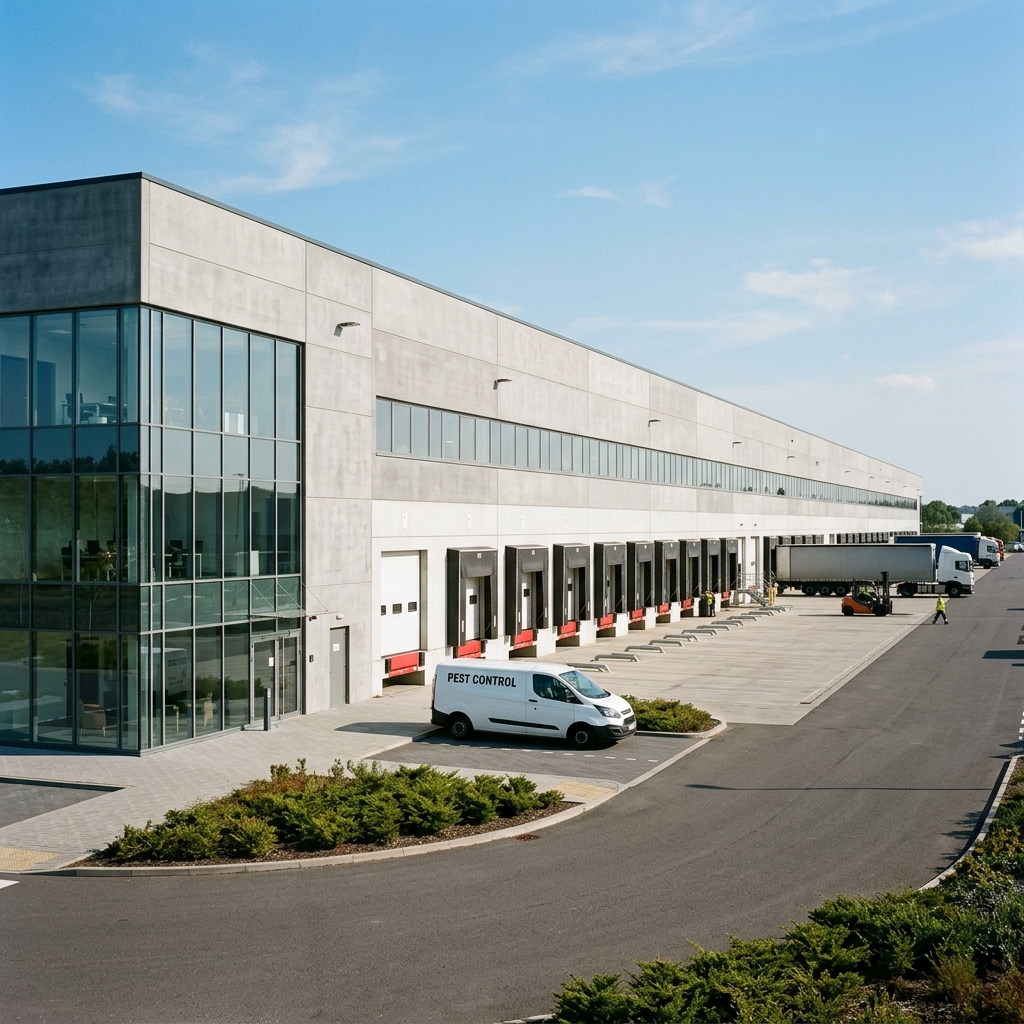
Why Worcester County warehouses are seeing more rodent problems in 2026
Warehouse rodent control Worcester County has become a major concern for warehouse operators, logistics companies, manufacturers, wholesalers, and distribution centers throughout Central Massachusetts. Rodents are no longer just a nuisance. They can damage inventory, contaminate products, create safety hazards, and lead to costly compliance violations.
From Worcester and Auburn to Shrewsbury, Leominster, Fitchburg, Milford, and Westborough, warehouse managers are reporting increased concerns about mice and rats entering facilities through loading docks, utility penetrations, and structural gaps.
As supply chains become more complex and storage facilities handle greater volumes of goods, proactive rodent management has become a critical business priority.
Why warehouses attract rodents
Warehouses provide many of the resources rodents need to survive. Common attractions include:
- Food products
- Packaging materials
- Cardboard storage
- Warm shelter
- Water sources
- Limited human activity during overnight hours
Even facilities that do not store food can attract rodents because mice often use warehouses for nesting and shelter.
This is why warehouse rodent control Worcester County is becoming increasingly important across many industries.
Rodent activity is increasing across Massachusetts
Many pest management professionals throughout New England have reported continued rodent activity in both urban and suburban areas.
Several factors contribute to this trend:
- Milder winters
- Expanding commercial development
- Increased transportation activity
- Greater movement of goods
- Dense storage environments
Rodents adapt quickly and take advantage of even small structural weaknesses.
Warehouse rodent control Worcester County challenges
Large facility footprints
Warehouses often cover tens of thousands of square feet. The larger the building, the more difficult it becomes to identify every possible entry point.
Frequent deliveries
Every delivery creates opportunities for rodents to enter. Loading docks remain one of the most common rodent access points.
Inventory storage
Stored products provide hiding areas where rodent activity may go unnoticed.
Limited overnight activity
Rodents are most active when facilities are quiet. Many infestations develop during nighttime hours before employees notice signs.
Why rodents are expensive for warehouse operators
The true cost of a rodent problem goes far beyond pest control expenses.
| Problem | Business Impact |
|---|---|
| Product contamination | Inventory loss |
| Chewed packaging | Customer complaints |
| Electrical damage | Equipment failures |
| Audit violations | Compliance risks |
| Reputation damage | Client concerns |
For companies operating on tight margins, even minor contamination incidents can become costly.
Signs of rodents in warehouses
Droppings
Mouse droppings are often the first visible sign. Common locations include:
- Storage racks
- Corners
- Shipping areas
- Break rooms
Gnaw marks
Rodents continuously chew to maintain their teeth. They often damage:
- Packaging
- Wiring
- Wood
- Plastic materials
Nesting materials
Mice commonly use:
- Cardboard
- Paper
- Insulation
- Fabric
Strange odors
Established infestations may produce noticeable odors.
Areas most vulnerable to rodents
Loading docks
Loading docks remain the number one rodent entry point. Open dock doors create easy access.
Employee break rooms
Food crumbs and beverages attract rodents.
Storage aisles
Low-traffic areas often provide ideal nesting locations.
Utility rooms
Warm equipment areas attract mice during colder months.
Frequently asked warehouse questions
Can mice damage inventory?
Yes. Mice can contaminate products through droppings, urine, nesting materials, and chewing damage.
Do warehouses without food products get rodents?
Absolutely. Rodents seek shelter as much as food. Many warehouses storing paper goods, furniture, electronics, or packaging materials experience infestations.
How quickly can a mouse problem grow?
Very quickly. A small rodent population can expand significantly if left unmanaged.
Warehouse rodent control Worcester County best practices
Seal structural gaps
Mice can enter through openings as small as a quarter inch. Inspect:
- Foundations
- Utility penetrations
- Dock seals
- Exterior walls
Maintain dock doors
Dock doors should close completely. Damaged seals should be repaired immediately.
Improve sanitation
Although warehouses are not restaurants, cleanliness remains critical. Focus on:
- Employee eating areas
- Spill cleanup
- Waste management
Manage vegetation
Overgrown landscaping provides shelter near buildings. Maintain a clear perimeter around the facility.
Compliance concerns for warehouse operators
Many warehouses must comply with:
- Customer audit requirements
- Food safety standards (see our health code violations guide)
- Supplier expectations
- Industry regulations
Rodent activity can create compliance concerns that affect customer relationships.
Documentation is increasingly important. Warehouse managers should maintain records for:
- Inspections
- Monitoring devices
- Corrective actions
- Pest management activities
Industries most affected
- Food distribution: Food warehouses face the highest rodent risks because products directly attract pests.
- Pharmaceutical storage: Product integrity is essential. Any contamination concerns can become serious.
- Manufacturing facilities: Rodents can damage machinery and production equipment.
- E-commerce fulfillment centers: Large inventories and constant shipments increase exposure.
Seasonal rodent patterns in Worcester County
- Spring: Rodent populations begin expanding as breeding activity increases.
- Summer: Outdoor populations grow and establish territories.
- Fall: Rodents actively seek indoor shelter. This is often when warehouse infestations increase.
- Winter: Warehouses provide warmth and protection from harsh weather.
Technology improving warehouse pest management
Modern facilities increasingly use:
- Digital monitoring systems
- Smart rodent stations
- Trend reporting
- Data analysis
- Preventive inspections
These technologies help identify problems before they become major infestations.
Employee awareness matters
Warehouse employees are often the first people to notice signs of activity. Training should include:
- Identifying droppings
- Recognizing chew marks
- Reporting sightings immediately
- Understanding sanitation responsibilities
Early reporting helps prevent larger infestations.
Warehouse rodent control Worcester County and supply chains
Supply chain disruptions remain a concern for businesses throughout Massachusetts. Rodent infestations can create unexpected complications such as:
- Product recalls
- Shipment delays
- Customer complaints
- Inventory losses
Preventive pest management helps reduce operational risks.
Common mistakes warehouse operators make
- Waiting too long: Small rodent populations rarely stay small.
- Ignoring exterior conditions: Many infestations begin outside the building.
- Focusing only on treatment: Prevention is more effective than repeated treatment.
- Overlooking employee education: Staff awareness plays a major role in long-term success.
Working with Pest Services MA
Warehouses throughout Worcester County often benefit from professional pest management programs designed specifically for commercial facilities.
Pest Services MA provides pest control solutions for commercial properties across Worcester County. Distribution centers, manufacturing facilities, logistics operations, and storage warehouses in Worcester, Auburn, Shrewsbury, Leominster, Fitchburg, Milford, and Westborough frequently require customized rodent management plans that address the unique challenges of large commercial buildings.
Preventive inspections and ongoing monitoring can often identify risks before they affect operations.
The future of warehouse pest management
Industry experts expect warehouse pest management to become increasingly proactive. Key trends include:
- Data-driven monitoring
- Predictive risk analysis
- Integrated pest management
- Reduced reliance on reactive treatments
- Greater audit documentation
Facilities that invest in prevention generally experience fewer disruptions and lower long-term costs.
Warehouse rodent control Worcester County protects business operations
Warehouse rodent control Worcester County is no longer optional for companies that depend on inventory protection, customer confidence, and regulatory compliance.
Whether you operate a distribution center in Worcester, a logistics facility in Auburn, a warehouse in Shrewsbury, or a fulfillment center in Leominster, Fitchburg, Milford, or Westborough, rodent prevention should be part of your operational strategy.
By combining facility maintenance, sanitation, employee training, monitoring technology, and professional pest management, warehouse operators can reduce risks and protect their businesses throughout 2026 and beyond.
Frequently asked questions
Why are rodents entering my warehouse even though we do not store food?
Rodents often seek warmth, shelter, nesting locations, and water sources, even in facilities without food products.
How often should warehouses receive pest inspections?
Most warehouses benefit from regular inspections, with frequency depending on facility size, industry, and risk level.
Can rodents damage electrical systems?
Yes. Rodents commonly chew electrical wiring, creating equipment failures and potential fire hazards.
What is the most common rodent found in Worcester County warehouses?
House mice are among the most commonly reported warehouse pests throughout Massachusetts.
How do rodents enter commercial warehouses?
Common entry points include dock doors, utility penetrations, damaged weather stripping, and structural gaps.
Are rodent problems worse during winter?
Many warehouses experience increased indoor rodent activity during colder months as rodents seek shelter from outdoor conditions.
References
- National Pest Management Association
- U.S. Food and Drug Administration
- Centers for Disease Control and Prevention
- Occupational Safety and Health Administration
- Massachusetts Department of Public Health
- University of Massachusetts Extension
Protect Your Supply Chain
Don't let rodents compromise your inventory or safety compliance. Schedule a comprehensive commercial warehouse pest inspection with Pest Services MA today.
Get a Free Quote →